What is Industrial Building Design?
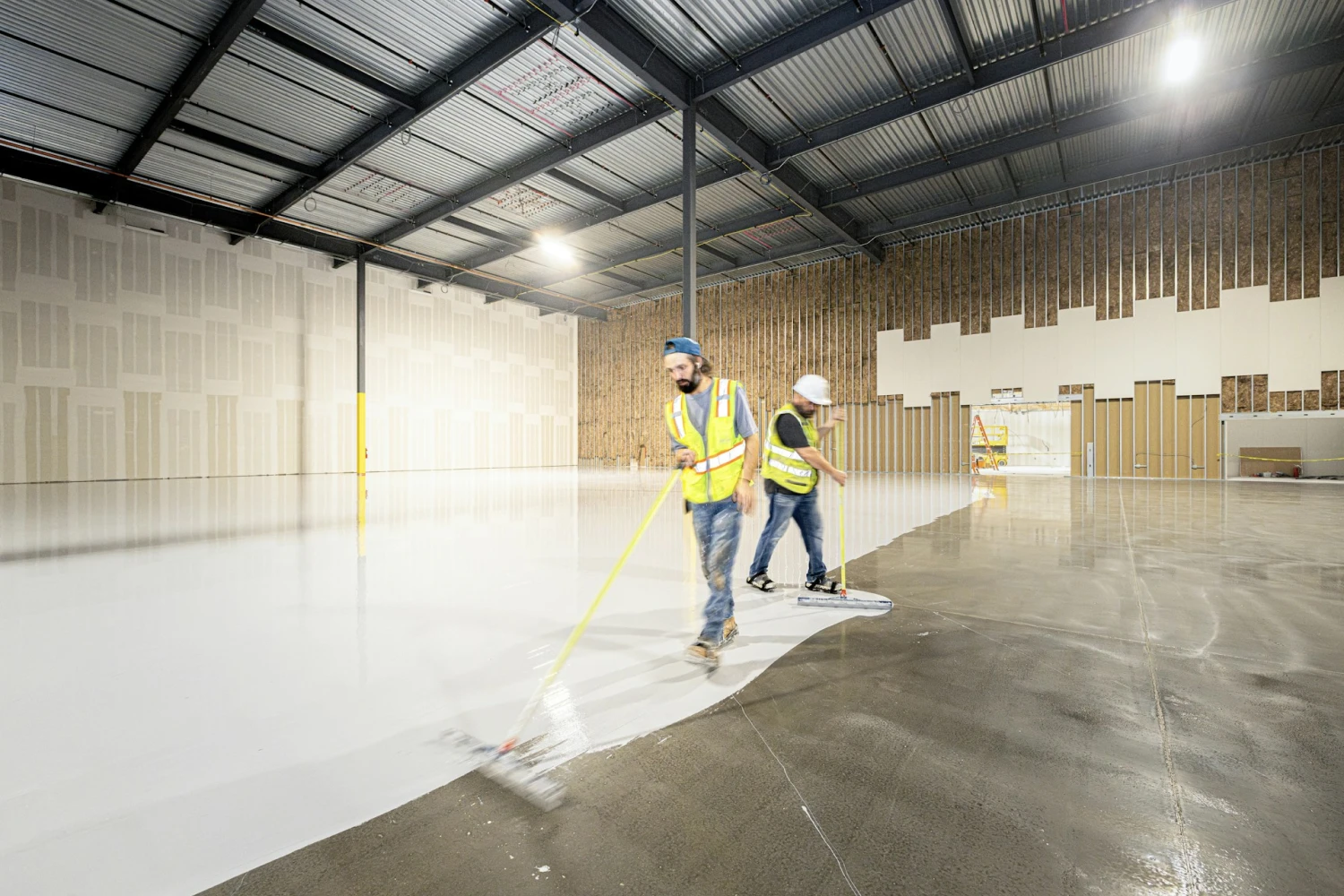
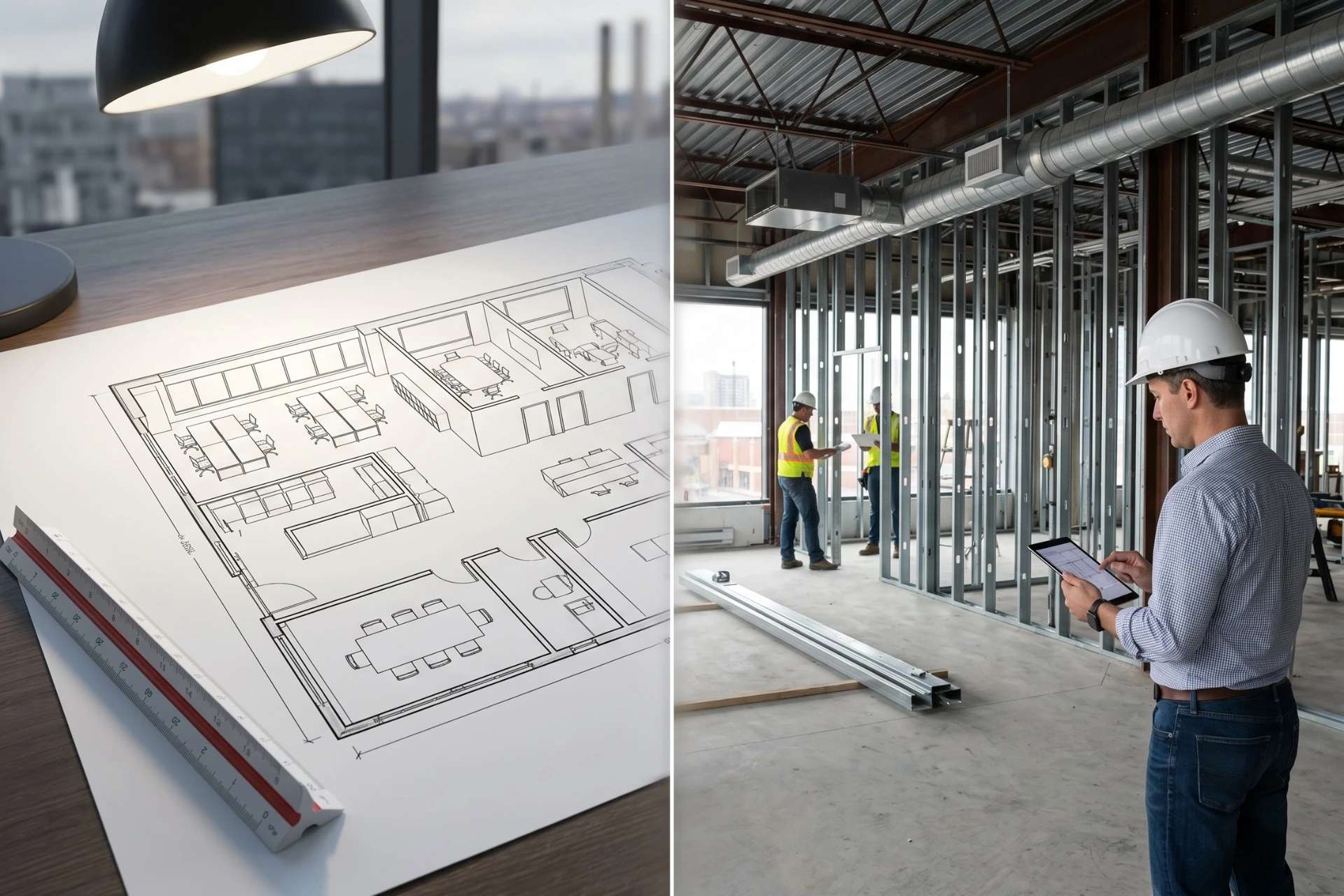
Industrial building design is the planning and engineering of a facility to meet specific operational, structural, and compliance requirements before construction. It covers everything from floor load capacity and ceiling height to HVAC, power infrastructure, and fire suppression, with function and workflow taking priority over aesthetics.
Warehouses, manufacturing plants, and logistics facilities are the backbone of physical business operations. When industrial facility design and build are well-designed, production runs smoothly, equipment fits the space, and the layout supports the team.
If not, everything from traffic flow to output capacity takes the hit. An industrial-grade controlled environment involves many moving parts: forklift turning radii, racking load distribution across a slab, and ventilation to handle heat. Each one plays an important role in the facility’s purpose: get one wrong, and you might end up retrofitting mid-build.
Let’s go through what you should know to maintain a smooth flow of operations during design and construction.
What Does Industrial Building Design Mean?
Industrial building design involves planning facilities mainly used for the manufacturing, storage, and distribution of goods. Industrial buildings are built around equipment, inventory, and physical operations.
Unlike general commercial spaces like offices, retail stores, and clinics, it prioritizes function over appearance.
Take warehouses and logistics centres that receive shipments, store products, and dispatch orders daily as examples.
These industrial buildings need a layout that supports how products and people move, a floor that can handle the load, and systems built for the demands of that specific operation. An optimized industrial facility design and build checks all these boxes to ensure operations flow smoothly.
Here's a breakdown of the key elements your design team needs to address:
What Are the Key Challenges in Designing an Industrial Building?
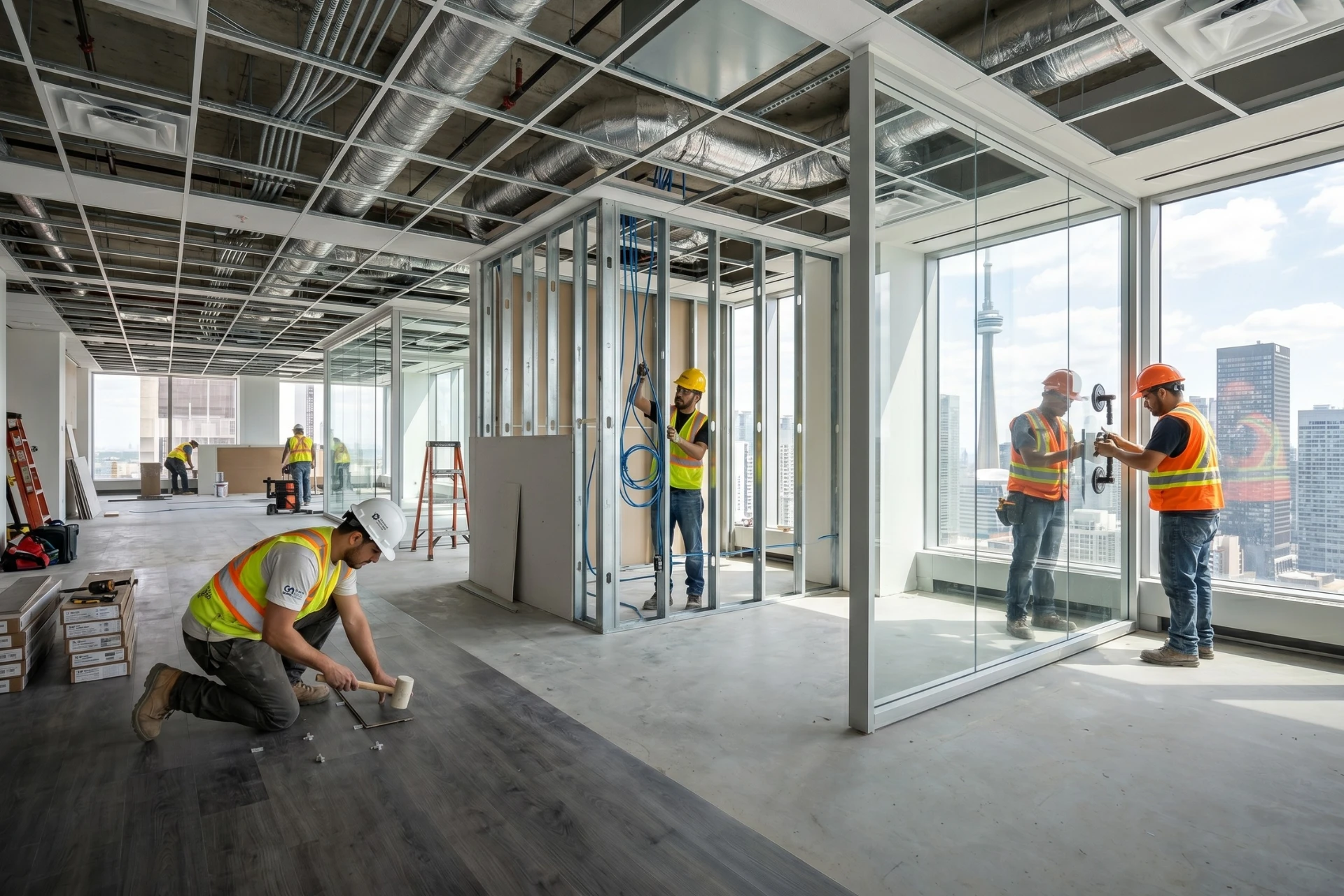
For a successful renovation, prepare for the most common project management challenges that might arise:
- Operational continuity: Industrial facilities often operate on shifts. Phasing construction around active production lines, forklift routes, and loading dock schedules requires greater coordination.
- Budget constraints: In industrial structure builds, costly decisions on slab thickness, column grid, and dock count are made during the design phase. Changing any of these mid-project costs significantly more than in a standard fit-out.
- Code and zoning rules: Industrial facilities in Ontario fall under Group F occupancy, which carries specific requirements around fire suppression, exit provisions, and ventilation.
- Site limitations: Truck turning radii, trailer staging areas, and grade-level dock positioning all depend on site geometry.
- Future-proofing: Designing for your current equipment leaves no room for automation upgrades, heavier racking systems, or EV charging infrastructure.

Source: Unsplash
What Should You Look for in an Industrial Design-Build Contractor?
The right contractor has the design and construction experience to bring your vision to life. Before signing anything, make sure to verify their:
- General contractor licence and liability insurance.
- WSIB (Workplace Safety and Insurance Board) coverage.
- Experience with industrial permits, inspections, and Ontario building code compliance.
- Portfolio of completed industrial projects of comparable size and type.
- Process for managing design changes and cost control throughout the build.

Source: Unsplash
FAQs About Industrial Building Design
In Summary
- A good industrial building design prioritizes operational performance over aesthetics.
- Your design should cover structural integrity, floor load capacity, HVAC efficiency, power infrastructure, and fire suppression.
- Prepare for the most common challenges related to operational continuity, budget constraints, code compliance, and site limitations.
- Before signing with a contractor, verify their licence, WSIB coverage, Ontario permit experience, and industrial project portfolio.
- Getting industrial building design right from the start is significantly cheaper than retrofitting mid-build or post-occupancy.
Plan Your Industrial Project From Start to Finish With HI-Performance Construction
What is industrial building design but a way to plan warehouse and logistic facilities for efficiency and flow while maintaining uptime? Our experts at HI-Performance Construction can help plan yours.
We’re a commercial and industrial interior contractor with 20+ years of experience. Whether you’re fitting out a newly built industrial building project or renovating an existing structure, our team can turn your vision from blueprint to reality.
Explore industrial building projects done right. Need a sample estimate? Let’s connect and see how we can build your warehouse from scratch.