Bid Build vs Design Build for Your Commercial Project
Design-build hires a single team under a single contract to complete all design and construction services. Meanwhile, a conventional bid-build approach involves different contractors. The right choice depends on your overall project timeline, project demands, budget flexibility, and design needs.
The traditional bid-build approach has been the top project delivery method for the longest time. Clients would usually have separate contracts for the design and construction phases. In many cases, they’ll work with architects and designers during the planning stage before construction begins. However, is it really the most efficient project management style?
For commercial property owners operating with a limited construction project timeline, it could slow down results. It might be smarter to go with a design-build method. At HI-Performance Construction, we weighed the pros and cons of bid build vs. design build to determine which method works best for your commercial project.
What Is the Difference Between Design-Build and Design-Bid-Build?
The traditional bid-build method separates the design and construction phases, with independent groups for each. Having your own design first lets you save money by getting bids from multiple contractors, helping you secure the best deal.
With a design-build model, the entire project is under a single contract. You’re hiring a team that can handle all the project phases, from conceptualizing the initial design to securing the final permits. This means faster project delivery, since your design builder won’t need to coordinate with any third parties, reducing delays from unnecessary back-and-forth.
Here’s a quick overview of the pros and cons of design-bid-build vs design-build:
How Does the Design-Bid-Build Process Work?
There are three stages in a design-bid-build project:
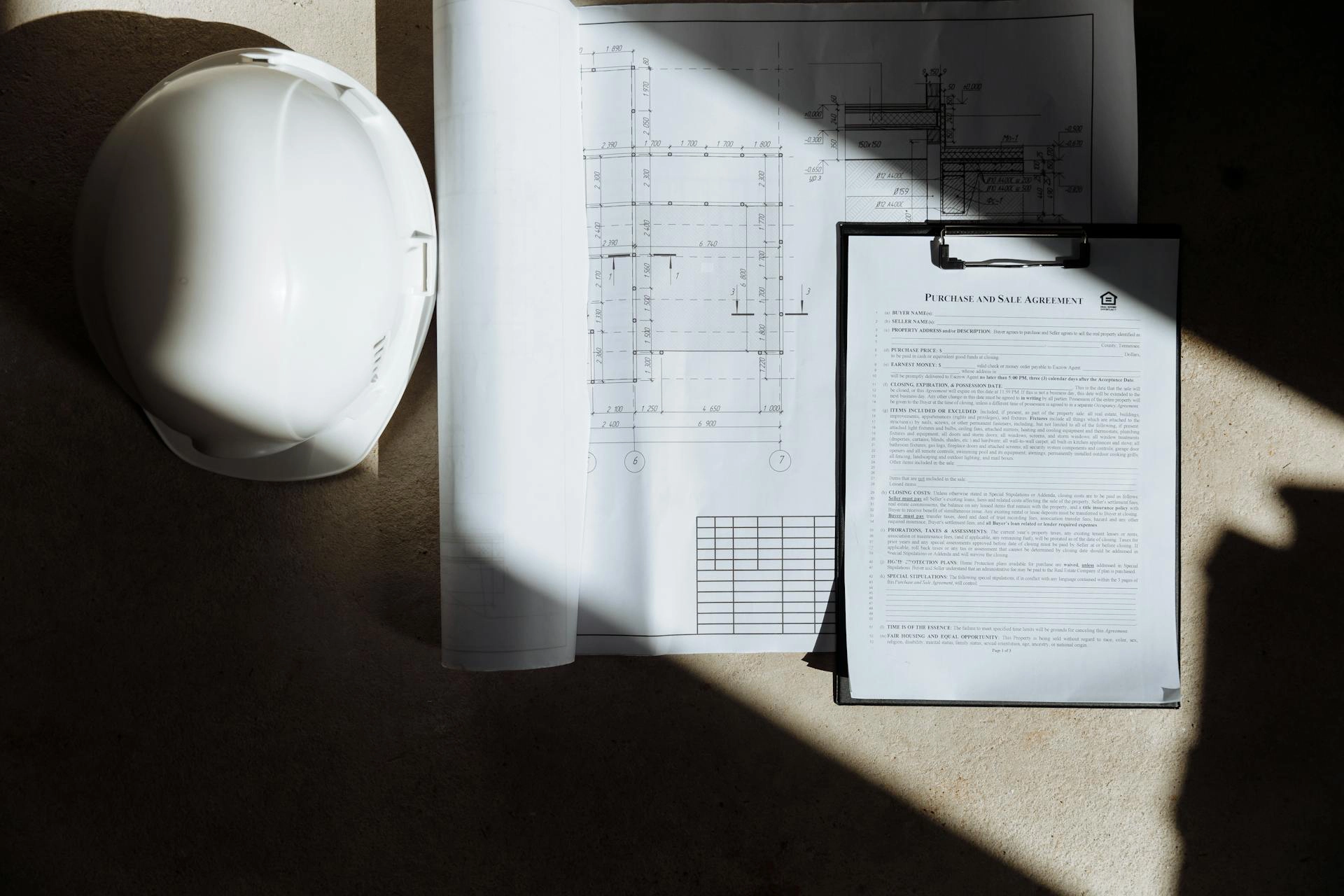
- Design: The owner commissions an architect or designer to produce complete drawings and specifications.
- Bid: After the drawings are completed and go out to tender, contractors can submit their personalized rates based on the same set of documents.
- Build: The owner awards the contract to their preferred general contractor or construction company. The design and construction teams won’t interact until you introduce them.
Source: Pexels
Advantages of Design-Bid-Build Process
Hiring your own professional team to make your designs comes with benefits:
- You retain full control over the design before any contractor is involved.
- Competitive bidding can lower construction costs when multiple contractors price the same scope.
- Independent oversight between designer and contractor reduces the risk of either party cutting corners undetected.
- Well-suited to public sector projects where competitive tendering is mandated.
Disadvantages of Design-Bid-Build Process
This traditional project delivery method comes with the following drawbacks:
- Sequential phases add significant time. The design must be fully complete before bidding can begin.
- Coordination gaps between the designer and contractor are common, especially when field conditions don’t match drawings.
- Change orders are more frequent and more contested since the contractor had no input into the design.
- You can only start budgeting after you finish assessing the bids for your request.
Source: Unsplash
How Does Design-Build Work?
Design-build integrates design and construction into a single contract with one accountable team. Design decisions are made with real construction costs in mind from the start. And because design and construction activities run concurrently, the overall project timeline is shorter. You can resolve issues that would typically surface during or after the bid process.
Advantages of Design-Build Delivery Method
Here are the main advantages of a design-build project:
- It’s a good approach for simplifying project management.
- Single point of accountability: one team owns both the design and the outcome, eliminating common disputes between designers and contractors.
- Your design team can give you a more comprehensive, inclusive cost estimate.
- Better suited to projects with fixed deadlines, such as franchise rollouts, clinic fit-outs, and warehouse builds.
Disadvantages of Design-Build Delivery Method
On the other hand, having a single team work on your project means:
- The owner has fewer opportunities to review the design before construction begins.
- There is limited ability to shop the construction scope competitively once the design-build team is engaged.
- Requires a higher degree of trust in the contractor from the outset. You need to vet the professionals thoroughly, or else you’ll risk delays and unexpected expenses.
What Works Best in Ontario? Progressive Design-Build
Ontario’s shifting material costs and supply chain pressures have made lump-sum contracts increasingly difficult to price. As a result, progressive design-build has been gaining traction across the province.
Unlike standard design-build, where a fixed price is set early, progressive design-build brings the owner and contractor together in a collaborative, phased approach.
- The price is validated as the design develops, providing both parties with greater cost certainty before committing to full construction.
- After commercial terms are set, the project moves to implementation, including final design, construction, testing, and commissioning.
- If no agreement is reached, an "off-ramp" allows the owner to end the contract but keep the design for a different procurement method.
This delivery method allows more flexibility to accommodate shifting market prices. It’s relatively new, gaining traction in Ontario, with Infrastructure Ontario and Metrolinx already applying it to major transit and healthcare projects.
FAQs About Design-Build vs. Design-Bid-Build
In Summary
- Design-bid-build separates design and construction into phases and contracts; design-build combines both under one team and contract.
- Design-bid-build’s key benefit is competitive bidding that reduces upfront costs, but it often extends timelines and increases change orders.
- Design-build projects are delivered 36% faster and experience 3.8% lower overall cost growth than design-bid-build.
- Design-bid-build suits complex or publicly tendered projects where independent design oversight is a priority
- Progressive design-build is growing in Ontario when early lump-sum pricing is challenging, using phases to validate cost and schedule and allowing an off-ramp if terms aren’t met.
- Determine the right project delivery method right at the planning stage.
Take Control of Your Commercial Project Right From the Start
Your delivery method influences your project from design through final inspection. HI-Performance Construction manages end-to-end commercial and industrial interior projects across the GTA, Kitchener-Waterloo, Cambridge, and surrounding areas, handling everything from design and permits through to final build under one accountable team.
Tell us about your project. We’ll provide a clear picture of your scope, timeline, and investment, from start to finish.