Sustainable Building Strategies for Commercial Construction
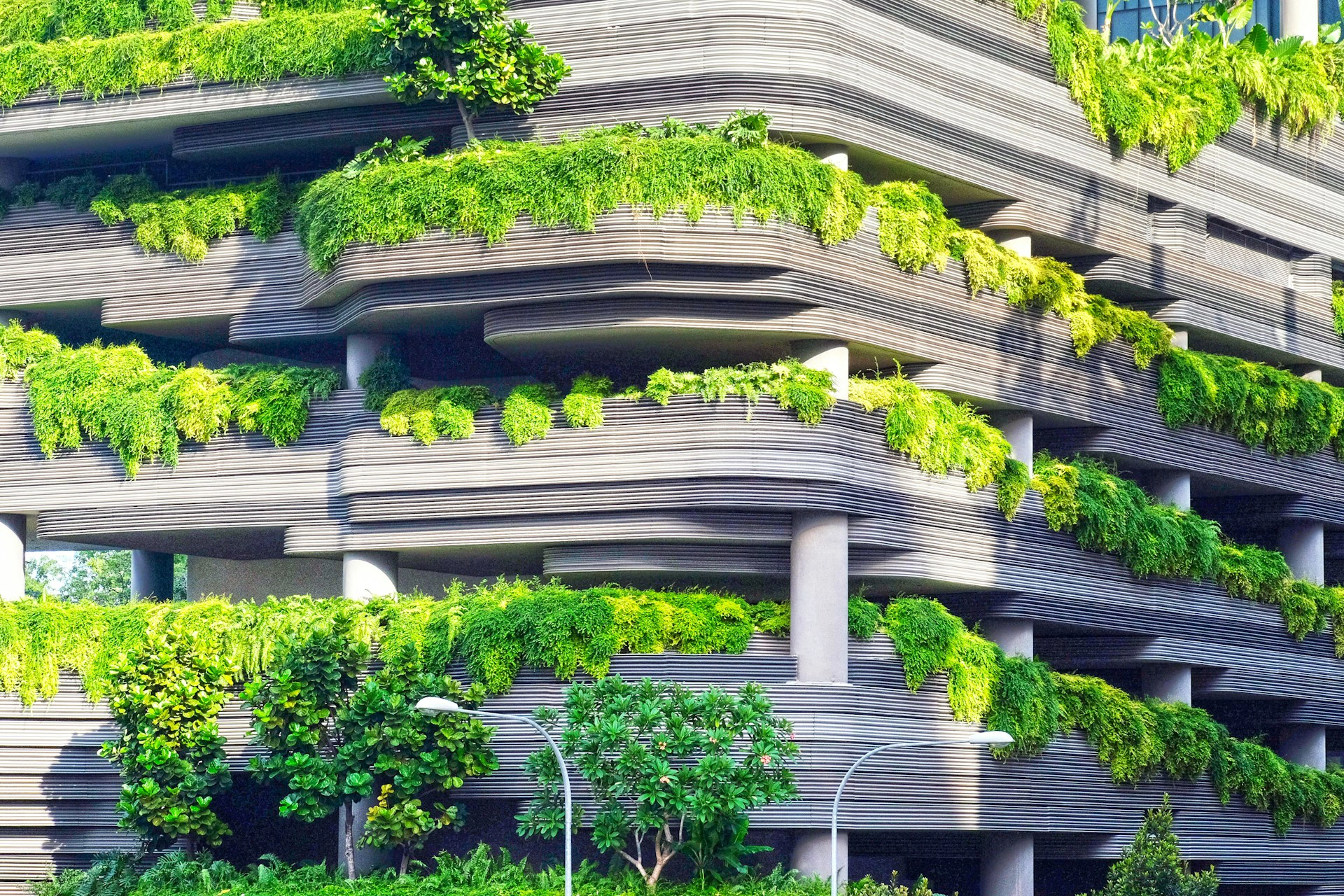
Sustainable construction integrates energy-efficient systems, low-carbon materials, and waste-reduction practices into the building process. It aims to minimize the environmental impact of your structure. For Ontario commercial projects, it also means aligning with industry-specific federal and provincial green building requirements.
In Ontario, sustainable construction is slowly becoming the new norm. Canada already ranks second in the world outside the U.S. for LEED-certified building projects, and around 1/4 of construction jobs are now green. As project owners, you have an environmental responsibility to pay close attention to the overall impact of your property before it’s even built.
That said, sustainable construction practices don’t have to spike budgets or slow down timelines. Here are some effective strategies we use at HI-Performance Construction that you can discuss with your team.
What Does Sustainable Construction Actually Mean?
In the construction industry, “sustainable” refers to building practices that minimize environmental impact throughout a structure's lifecycle, from materials and energy use to waste and long-term operations.
Sustainable development focuses on long-term environmental impact. It’s less about philosophy and more about making specific decisions to switch to renewable energy, invest in eco-friendly materials, and implement waste-reduction strategies.
While more private and government agencies are recognizing the importance of sustainability, a survey shows that 87% of Canadian respondents feel we need to do more to support sustainable construction.
For commercial building owners, that gap between awareness and action is both a responsibility and an opportunity. Businesses that prioritize green building now are better positioned to attract tenants, meet tightening regulations, and reduce long-term operating costs.
What are the Benefits of Building Green?
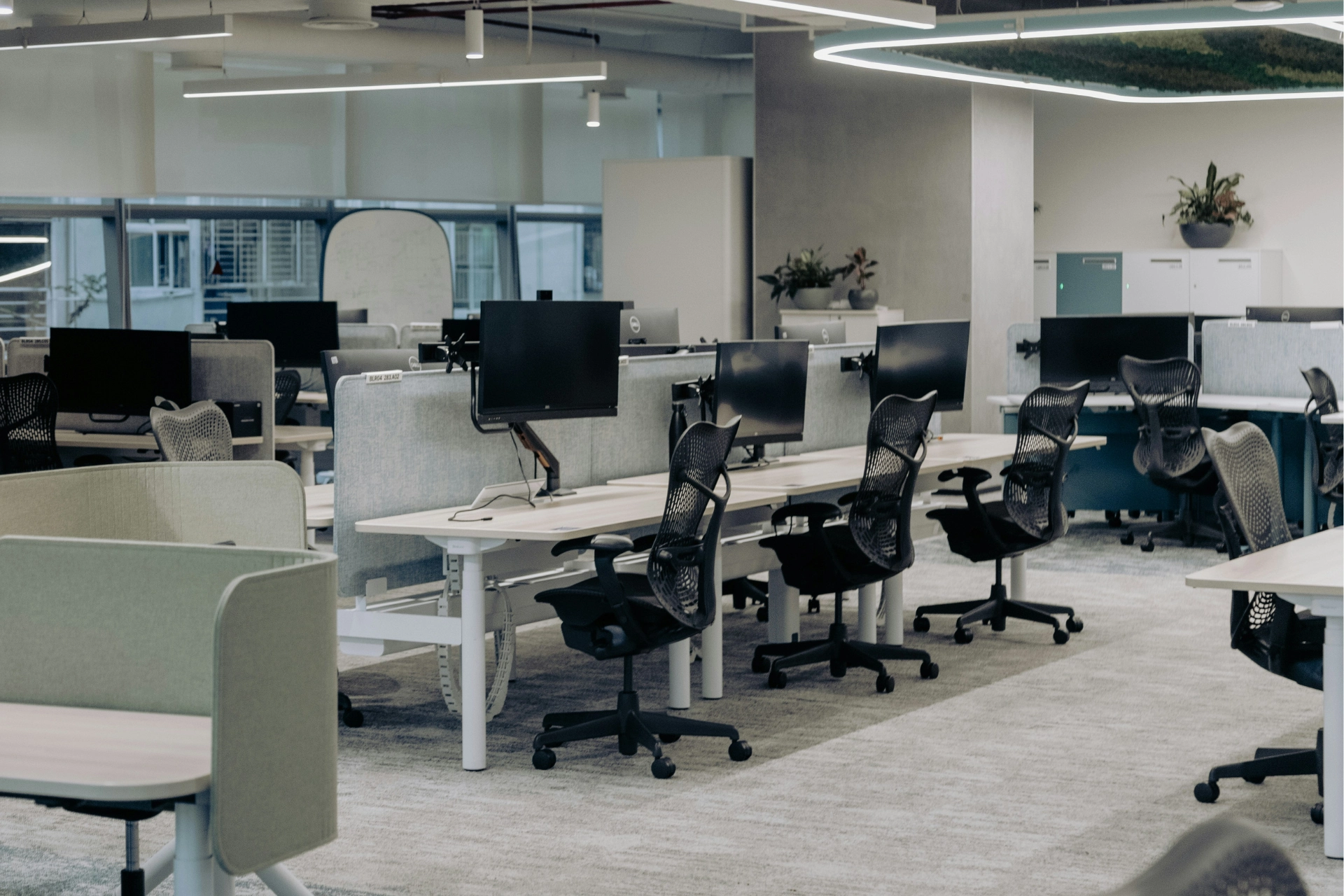
Apart from making a positive impact, sustainable building practices result in the following advantages for eco-friendly offices:
- Lower operating costs through resource-efficient strategies
- Stronger asset value and appeal to eco-conscious clients, tenants and investors
- Reduced exposure to tightening building codes and carbon emissions regulations
- Eligibility for federal and provincial green building incentives
- Reduced construction waste and material costs through better resource planning and designing
Source: Unsplash
Strategies for Sustainable Commercial Construction Projects in Ontario
To make construction and sustainability work together, most commercial interior construction projects across the GTA and surrounding areas follow sustainable building practices and strategies, such as using renewable materials, reducing waste, and obtaining certifications.
Energy-Efficient Building Systems
Upgrade to clean-energy HVAC systems, LED lighting, and smart controls to cut energy consumption and lower operational costs from day one.
A sustainable built environment runs on renewable energy. Specifying high-efficiency mechanical systems and automated controls at the design stage reduces greenhouse gas emissions over your building’s lifetime and avoids the higher cost of retrofitting with sustainable materials later.
Selection of Raw Materials
Choose recycled-content and sustainably sourced products to reduce your building’s embodied carbon. Sustainable construction principles like this may also keep construction and energy costs manageable.
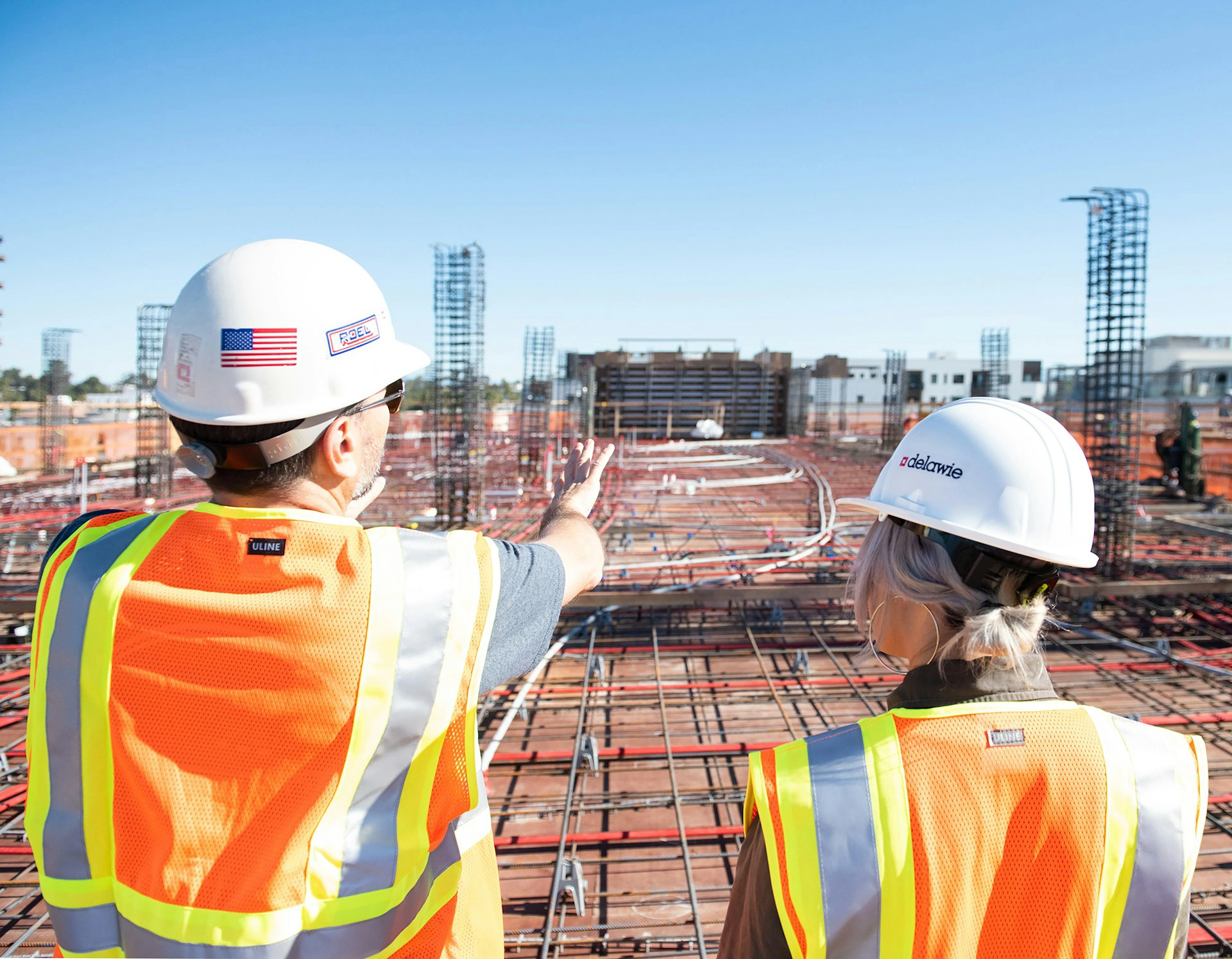
Your choice of construction materials directly impacts your structure’s carbon footprint. Where possible, swap conventional concrete and steel for low-carbon construction materials. For budget-conscious projects, prioritize low-VOC (volatile organic compound) products in areas where they’re most readily available, like the flooring, walls, insulation, and ceiling finishes.
Source: Unsplash
Construction Waste Reduction
Before demolition even begins, develop a plan for waste diversion. Construction and demolition waste currently accounts for around 30% of the world’s waste. With fast-paced urbanization, the numbers are only going to get higher.
However, you can play your corporate social responsibility in practical waste reduction by:
- Developing a waste diversion plan before demolition begins
- Segregating materials on-site for recycling or reuse rather than mixed disposal
- Salvaging fixtures, framing, and finishes where deconstruction is feasible
- Specifying materials with take-back programs from suppliers
LEED Certification for Commercial Buildings
Pursuing LEED (Leadership in Energy and Environmental Design) certification signals verified environmental performance to tenants, investors, and municipal partners, and unlocks eligibility for federal and provincial incentive programs.
LEED uses a 110-point system across eight categories, including energy efficiency, water use, materials, and indoor air quality. Projects are rated Certified (40 to 49 points), Silver (50 to 59), Gold (60 to 79), or Platinum (80 and above).
The higher the target, the more deliberate your decisions need to be across site selection, material specifications, mechanical systems, and commissioning.
FAQs About Sustainability in the Construction Industry
In Summary
- Sustainable commercial construction focuses on long-term environmental impact by using renewable energy sources, eco-friendly materials, and reducing waste.
- Energy-efficient HVAC, LED lighting, and smart building controls reduce operational costs and support compliance with Ontario’s building code requirements
- Material selection directly affects your building's embodied carbon.
- Construction and demolition waste accounts for roughly 30% of global waste.
- LEED certification is not mandatory in Ontario, but it’s increasingly expected for Class A commercial and institutional buildings.
- Federal programs, including the Canada Greener Buildings Initiative and the GCWood program, offer funding support for eligible Ontario commercial projects.
Plan Your Commercial Project With Sustainability Built In
Building green starts at the design stage, not as a retrofit. HI-Performance Construction manages commercial and industrial projects from drawings and permits through to final build, across the GTA, Kitchener-Waterloo, Cambridge, and surrounding areas.
Tell us about your project. We’ll assess your scope and outline your sustainable options. By the end, get a clear picture of timelines and investment, from start to finish.